
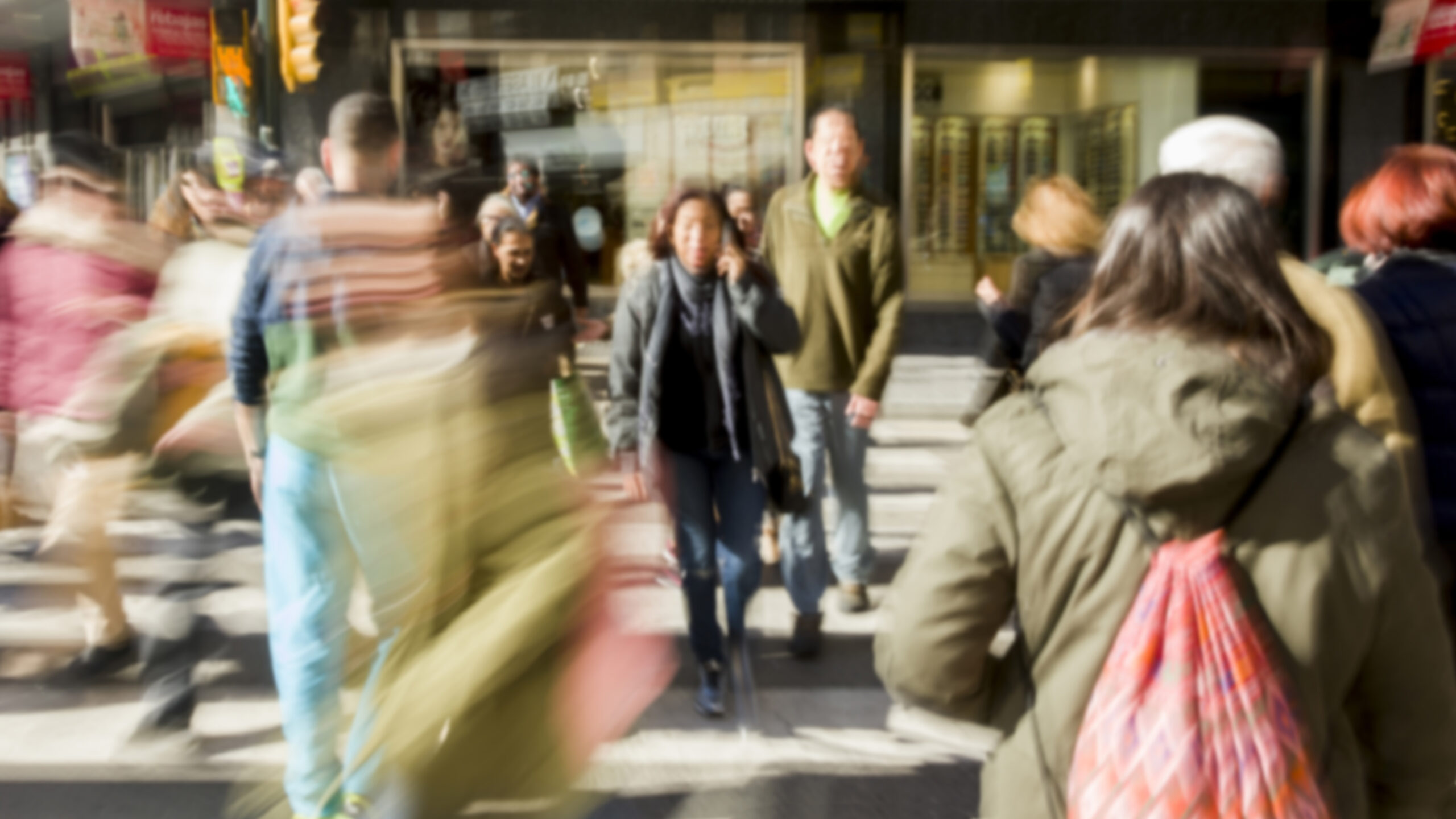
Maximizing Brand Exposure in Public Spaces for Real-World Impact
As brands seek to stand out in increasingly crowded digital spaces, brand exposure in public spaces has emerged as a compelling strategy to cut through the noise. From parks and plazas to transit hubs and shopping streets, public spaces offer unmatched opportunities for genuine, real-world engagement.
One of the biggest benefits is unfiltered access to audiences. Unlike online ads that can be skipped or hidden, advertising in public spaces occupies the physical world—where people live, move, and interact. This constant presence builds familiarity and trust.
Whether it’s a branded mural, an interactive pop-up, or a bus stop installation, public space advertising grabs attention organically. It’s particularly effective for local relevance, as ads placed in neighborhoods can reflect community values, cultural moments, or localized promotions.
Another advantage is the emotional connection it fosters. People tend to associate certain public locations with memories, routines, and emotions. When your brand becomes a part of that daily landscape, it integrates into their lives in a natural, lasting way.
Brand exposure in public spaces is also great for content creation. Many campaigns incorporate installations or events designed to encourage social media sharing, turning passersby into brand advocates. This adds a viral component to physical advertising.
To maximize impact, brands should consider multi-format presence—from static billboards and transit signage to experiential marketing and digital projections. Combining these with QR codes or mobile tie-ins can bridge the gap between offline and online.
Whether you’re launching a new product, building awareness, or reinforcing brand values, visibility in public spaces delivers enduring value. In an age of fleeting attention, a strategic presence in the real world may just be your most memorable move.
💬 Brand Exposure in Public Spaces FAQ
Q1: What types of public spaces are best for brand exposure?
A: Parks, plazas, transit hubs, shopping streets, and community areas all provide high foot traffic and engagement opportunities for your brand.
Q2: How does advertising in public spaces differ from digital advertising?
A: Unlike online ads that can be skipped or ignored, public space advertising occupies real-world environments where people live, move, and interact, building trust and familiarity naturally.
Q3: Can public space advertising help with local relevance?
A: Yes! Ads in local neighborhoods can reflect community values, cultural moments, or localized promotions, making your brand feel more connected to the audience.
Q4: How can public space campaigns integrate with digital marketing?
A: Using QR codes, mobile tie-ins, or encouraging social media sharing of installations and events bridges offline and online engagement, amplifying your campaign’s reach.
Q5: What types of public space advertising are most effective?
A: Options include branded murals, interactive pop-ups, bus stop installations, experiential marketing, static billboards, and even digital projections. Combining multiple formats can maximize impact.
GET IN TOUCH WITH OUR TEAM

Melbourne
Head Office
Level 7, 492 St Kilda Road,
Melbourne Vic 3004
Ph: 03 9867 1022
info@sjmediagroup.com.au

Sydney
Office
Level 3, WeWork c/o S&J Media Group,
100 Harris Street,Pyrmont NSW 2009
Ph: 02 8424 6100
info@sjmediagroup.com.au
Brisbane
Office
WeWork c/o S&J Media Group,
310 Edward St,Brisbane City QLD 4000
Ph: 07 3217 2233
info@sjmediagroup.com.au