
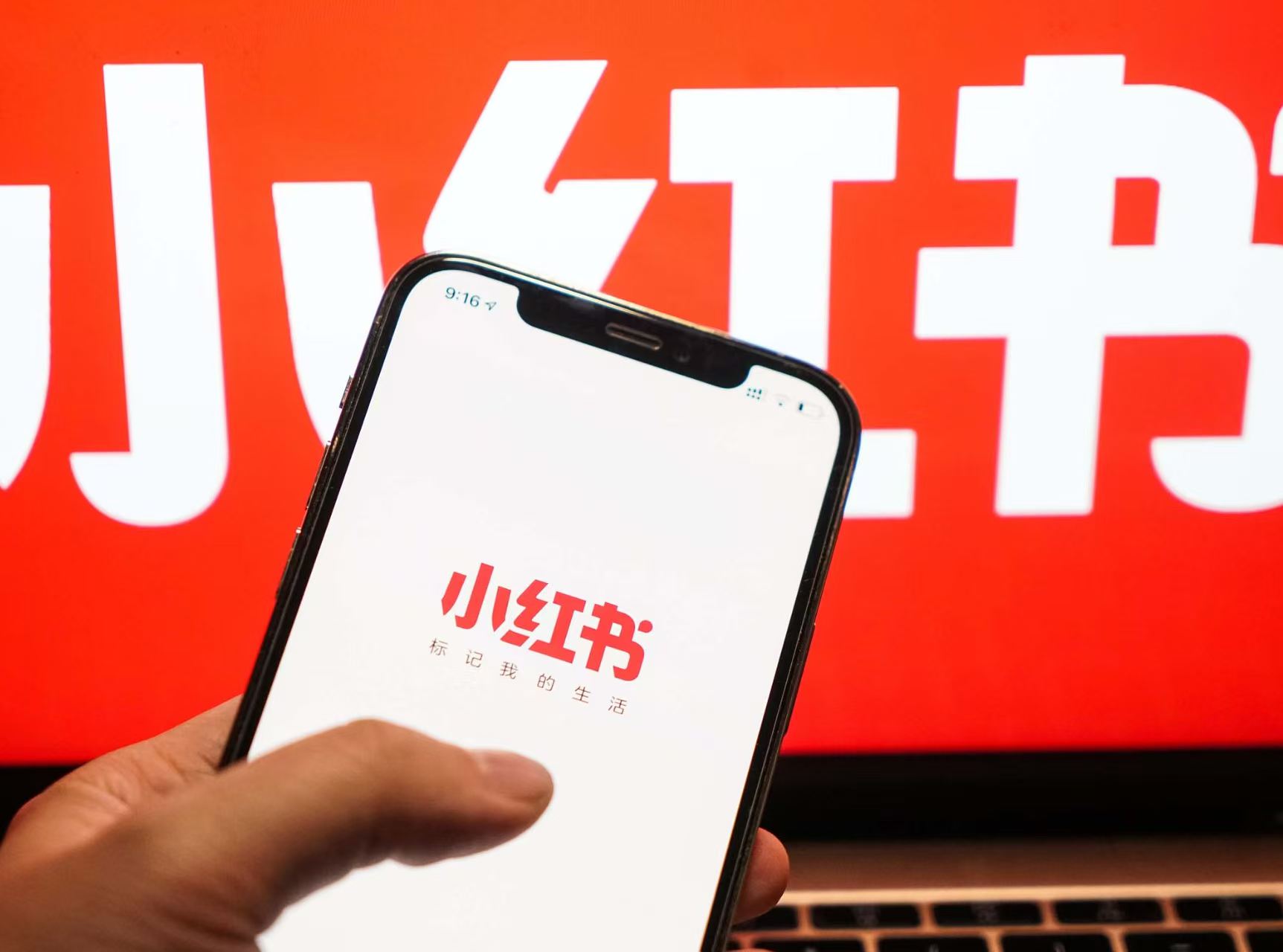
Red Book advertising has become an increasingly relevant marketing opportunity for Australian businesses looking to connect with Chinese-speaking consumers.
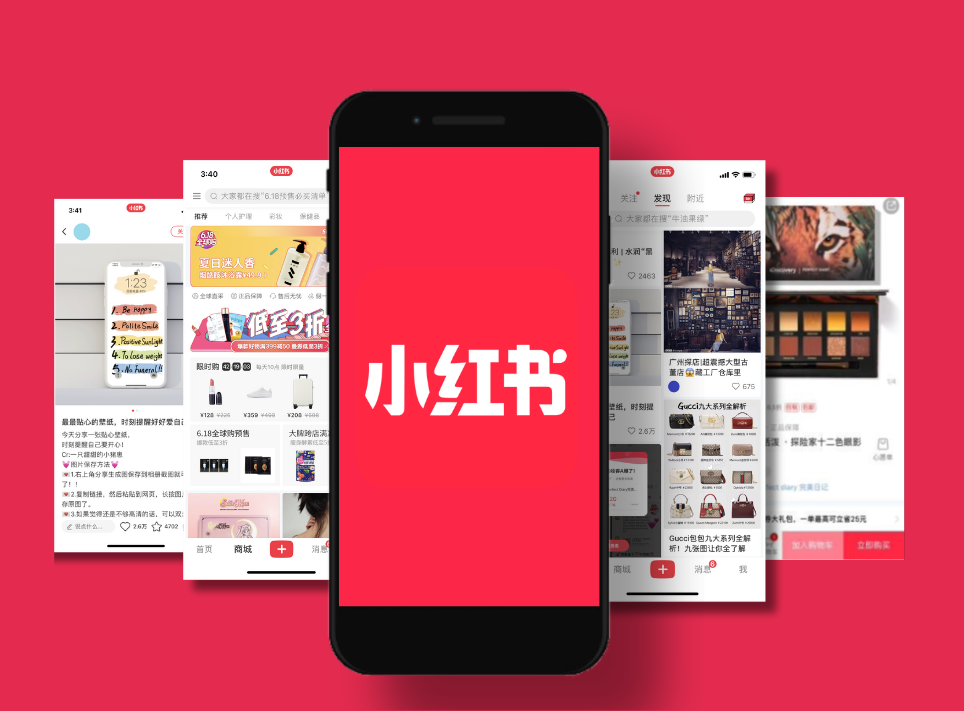
Often referred to as Little Red Book, Xiaohongshu or RedNote, the platform combines social content, product discovery, recommendations and lifestyle-focused conversations. This makes it particularly interesting for brands that want to reach consumers who actively research products, services, places and experiences before making a decision.
For Australian businesses, Red Book advertising is not simply about placing an advertisement in front of an audience. The strongest campaigns combine local market knowledge, Chinese-language content, cultural relevance, visual storytelling and targeted media strategies.
From beauty and retail to property, hospitality, education and tourism, businesses can use Red Book marketing to introduce their brand to Chinese audiences in Australia and create a stronger connection between awareness, consideration and action.
What Is Red Book Advertising?
Red Book advertising generally refers to advertising and marketing activity on Xiaohongshu (Little Red Book), a Chinese social and lifestyle platform built around content discovery and recommendations.
Unlike a traditional advertising directory, Xiaohongshu is highly content-driven.
Users can discover:
- Products
- Restaurants
- Hotels
- Beauty services
- Fashion brands
- Travel destinations
- Property information
- Education services
- Local businesses
- Lifestyle experiences
People may search for recommendations, read reviews, view photos and videos, save useful posts and discuss products with other users.
This behaviour creates an opportunity for businesses to become part of the discovery process rather than relying solely on traditional advertising.
Why Is Red Book Advertising Relevant to Australian Businesses?
Australia has a large and diverse Chinese-speaking market, including permanent residents, international students, tourists, professionals and families.
These audiences may use both mainstream Australian platforms and Chinese-language digital platforms when researching products and services.
A brand that wants to reach this market therefore needs to consider more than simply translating an English advertisement into Chinese.
The campaign needs to reflect how the audience discovers information, what type of content they trust and how they evaluate a business.
This is where Red Book marketing can become valuable.
Red Book Advertising vs Traditional Advertising
Traditional advertising often starts with the advertiser’s message.
Red Book marketing can begin with the consumer’s interests.
A user may search for:
- Where to eat in Melbourne
- Best beauty clinic in Sydney
- Australian skincare products
- Melbourne shopping recommendations
- Sydney travel experiences
- Australian education options
- Property information
- Family-friendly activities
- Luxury hotels in Australia
This creates an environment where useful and relevant content can influence the customer’s consideration process.
Instead of simply saying “Buy our product”, a successful campaign may answer the questions customers are already asking.
How Xiaohongshu Works for Brand Discovery
The platform is particularly strong for visual and recommendation-led content.
A typical customer journey may look like this:
Discover → Explore → Compare → Save → Search → Visit → Purchase
A user might first encounter a post about a product or business.
They may then visit the profile, read comments, look at other posts and compare recommendations.
If the business consistently publishes useful and credible content, it has more opportunities to become part of the customer’s decision-making process.
This is why Red Book advertising should be considered as part of a broader content strategy rather than a single promotional post.
Who Should Consider Red Book Advertising in Australia?
Red Book marketing can be particularly useful for businesses whose products or services are visual, experience-based or frequently researched before purchase.
Beauty and Skincare
Beauty is naturally suited to visual content.
Businesses can showcase:
- Treatments
- Products
- Before-and-after results
- Skincare routines
- Expert advice
- Customer experiences
- Product education
Chinese-speaking consumers researching Australian beauty services may value detailed explanations and authentic experiences rather than purely promotional advertising.
Fashion and Retail
Fashion brands can use Red Book content to showcase products through styling, seasonal collections, product guides and lifestyle photography.
Rather than presenting a simple product catalogue, brands can demonstrate how products fit into everyday life.
Hospitality and Restaurants
Restaurants, cafes and hotels can use Red Book to showcase the experience behind the business.
Content may include:
- Signature dishes
- Restaurant interiors
- Dining experiences
- Location guides
- Special events
- Seasonal menus
- Customer recommendations
Visual storytelling can be particularly effective when the customer is already researching where to visit.
Tourism
Australian tourism businesses can use Red Book to introduce destinations, experiences and travel ideas to Chinese-speaking audiences.
Travel content can cover:
- Destination guides
- Weekend itineraries
- Hotel recommendations
- Scenic locations
- Local attractions
- Food experiences
- Shopping
- Family activities
Education
Education providers can create content that answers practical questions from students and families.
Examples include:
- Choosing a course
- Studying in Melbourne
- Studying in Sydney
- Campus life
- Accommodation
- Student experiences
- Application information
Educational content can help establish familiarity before a potential student makes direct contact.
Property
Property businesses can use Chinese-language content to introduce developments, suburbs, property services and local market information.
However, the content should focus on useful information rather than simply repeating sales messages.
Examples include:
- Suburb guides
- Property market information
- New developments
- Apartment features
- Local lifestyle
- Transport access
- Schools and amenities
Red Book Advertising for Australian Local Businesses
One of the interesting opportunities for Australian businesses is local discovery.
A Chinese-speaking customer may be looking for a service in a specific suburb or city.
For example:
“Melbourne beauty clinic”
“Sydney restaurant recommendation”
“Brisbane property agent”
“Melbourne cafe recommendation”
“Sydney luxury shopping”
Content that combines the business with a specific Australian location can help make the brand more relevant to people searching for local experiences.
This is particularly important for businesses that rely on customers visiting a physical location.
Why Chinese-Language Content Matters
Simply publishing an English advertisement on a Chinese platform is unlikely to create the same impact as properly localised content.
Chinese-language marketing should consider:
- Language
- Tone
- Cultural context
- Visual style
- Local Australian references
- Consumer expectations
- Search behaviour
- Content format
Translation is only one part of localisation.
A message that sounds natural in English may not communicate the same meaning or emotional appeal when translated directly into Chinese.
Professional localisation helps the campaign feel more natural to the intended audience.
Content Types That Work Well on Red Book
A strong Red Book campaign should use different content formats rather than publishing the same type of advertisement repeatedly.
Product Recommendations
Explain what the product is, who it is suitable for and why customers may consider it.
How-To Content
Educational posts can answer common questions and help potential customers understand the product or service.
Local Guides
Businesses can create useful content around their city, suburb or industry.
Customer Experiences
Real experiences can help create social proof and make the brand feel more approachable.
Product Demonstrations
Visual demonstrations can help audiences understand how a product works.
Expert Content
Professional advice can help establish credibility.
Seasonal Content
Australian businesses can develop content around:
- Christmas
- Chinese New Year
- Mid-Autumn Festival
- Mother’s Day
- Valentine’s Day
- School holidays
- Summer
- Winter
- Major local events
The important point is to make the content genuinely useful rather than simply adding a festival greeting to an advertisement.
Red Book Advertising and Influencer Marketing
Influencer and KOL marketing can play an important role in a broader Xiaohongshu strategy.
A suitable creator can introduce a product or experience to an audience that already follows their recommendations.
However, follower numbers should not be the only consideration.
Businesses should also evaluate:
- Audience relevance
- Location
- Content quality
- Engagement
- Brand fit
- Previous collaborations
- Audience interests
- Authenticity
A smaller creator with a highly relevant Australian audience may sometimes be more valuable than a large account with limited relevance to the business.
Red Book Advertising for Chinese Australians
Chinese-speaking consumers in Australia are not a single audience.
They can include people with different:
- Ages
- Backgrounds
- Languages
- Spending habits
- Locations
- Cultural experiences
- Product preferences
Some may have lived in Australia for many years, while others may be new arrivals or international students.
Therefore, a successful campaign should avoid treating the entire Chinese-speaking market as one homogeneous group.
Location-based and audience-specific content can make campaigns more relevant.
Red Book Advertising for Chinese Tourists
Australia also attracts Chinese visitors who may use Chinese-language digital platforms to research travel and shopping decisions.
Tourism businesses can use content to introduce:
- Australian destinations
- Hotels
- Restaurants
- Attractions
- Shopping
- Luxury experiences
- Family activities
- Local travel tips
For these campaigns, the content should provide practical information that helps travellers plan their visit.
How to Build a Red Book Advertising Strategy
A successful campaign should start with a clear plan.
Step 1: Define the Audience
Determine who you want to reach.
Consider:
- City
- Age
- Lifestyle
- Language
- Interests
- Purchasing behaviour
- Travel behaviour
- Customer needs
Step 2: Define the Objective
Decide what the campaign should achieve.
Possible objectives include:
- Brand awareness
- Product discovery
- Website traffic
- Store visits
- Enquiries
- Lead generation
- Event attendance
- Online sales
- Community building
Step 3: Develop a Content Strategy
Create several content themes instead of relying on one promotional message.
For example:
40% educational content
30% lifestyle content
20% product or service content
10% promotional content
The exact ratio can change depending on the business.
The principle is to provide value while maintaining brand visibility.
Step 4: Localise the Creative
Use natural Chinese copy, relevant Australian references and visuals that make sense to the intended audience.
Where appropriate, show the actual location, people, products and customer experience.
Step 5: Work With Relevant Creators
If influencer marketing is included, select creators based on audience relevance rather than follower count alone.
Step 6: Measure the Campaign
Track meaningful indicators such as:
- Content views
- Engagement
- Saves
- Comments
- Profile visits
- Website visits
- Enquiries
- Leads
- Sales
- Store visits
The most important metrics should reflect the campaign objective.
Red Book Advertising and Multicultural Marketing
Red Book should not necessarily operate as a standalone channel.
Australian businesses can combine Xiaohongshu with other Chinese media channels, including:
- Douyin
- Baidu
- Chinese-language websites
- KOL marketing
- Search marketing
- Outdoor advertising
- Transit advertising
S&J Media Group’s Chinese media offering already covers multiple Chinese digital channels and also discusses integrating Chinese digital campaigns with outdoor and transit media.
This creates an opportunity to build campaigns that follow the customer across different stages of the buying journey.
For example:
Xiaohongshu → Website → WeChat → Enquiry
or:
Outdoor Advertising → Xiaohongshu → Product Research → Purchase
A multi-channel strategy can provide more touchpoints than relying on one platform.
Common Mistakes in Red Book Advertising
Direct Translation
Translating an English advertisement word-for-word often produces unnatural content.
Too Much Promotion
Users are more likely to engage with useful content than repeated sales messages.
Ignoring Local Context
Chinese audiences in Australia have local needs and experiences. Australian location information can make content much more relevant.
Choosing Influencers Only by Followers
Large follower numbers do not automatically mean the audience is right for your business.
Inconsistent Branding
Different posts should still create a recognisable brand identity.
No Clear Conversion Path
If the objective is generating enquiries or sales, users need an obvious next step.
Red Book Advertising vs Google Ads
These channels can serve different purposes.
Google Ads generally captures people who are actively searching for a product or service.
Red Book can help influence people earlier in the discovery and consideration process.
For example, someone may first discover a restaurant through Xiaohongshu, save the post and later search for the restaurant on Google.
Using both channels can therefore help businesses reach customers at different stages.
Red Book Advertising vs WeChat Marketing
WeChat is widely used for communication, community engagement and ongoing customer interaction.
Xiaohongshu is particularly useful for discovery, lifestyle content, product recommendations and visual storytelling.
Rather than choosing one platform for every objective, businesses can use each platform according to its strengths.
A campaign might use:
Xiaohongshu for discovery
WeChat for communication
Google for search demand
Outdoor media for brand visibility
This creates a more connected marketing ecosystem.
Is Red Book Advertising Worth Considering in Australia?
For businesses targeting Chinese-speaking consumers, Xiaohongshu can be a valuable addition to a multicultural marketing strategy.
Its strength comes from the combination of visual content, product discovery and peer recommendations.
However, success does not come simply from opening an account and posting advertisements.
Businesses need:
- Relevant content
- Chinese-language localisation
- Consistent publishing
- Strong creative
- Audience research
- Local market knowledge
- Appropriate creator partnerships
- Clear campaign objectives
- Performance tracking
The goal should be to build familiarity and trust, not simply generate one-off exposure.
Frequently Asked Questions About Red Book Advertising in Australia
What is Red Book advertising?
In the Australian Chinese marketing context, Red Book advertising generally refers to advertising and marketing on Xiaohongshu, also known as Little Red Book or RedNote.
Is Red Book the same as Xiaohongshu?
Xiaohongshu is commonly known internationally as Little Red Book. The platform is focused on social content, lifestyle discovery, recommendations and product-related content.
Can Australian businesses advertise on Red Book?
Australian businesses targeting Chinese-speaking consumers can consider Xiaohongshu as part of a Chinese digital marketing strategy. The appropriate campaign approach depends on the business, audience and advertising objectives.
Which Australian businesses benefit from Red Book marketing?
Beauty, fashion, retail, hospitality, tourism, education, property and lifestyle businesses can be particularly suitable because their products or services can be explained through visual and recommendation-based content.
Does Red Book advertising require Chinese content?
Chinese-language and culturally relevant content is generally important when the campaign is designed specifically for Chinese-speaking audiences. Direct translation should be avoided where possible.
Can Red Book advertising target Australian customers?
Yes. Content and campaigns can be developed specifically around Australian cities, suburbs, businesses, products and local experiences.
Can Red Book work with influencer marketing?
Yes. Xiaohongshu campaigns can incorporate relevant creators or KOLs. Audience relevance and content quality should be considered alongside follower numbers.
Can Red Book advertising be combined with Google Ads?
Yes. The two channels can complement each other. Red Book can support discovery and consideration, while Google Ads can capture people who later search for the brand or service.
How should Red Book advertising performance be measured?
Metrics can include views, engagement, saves, comments, profile visits, website traffic, enquiries, leads and sales. The right KPIs depend on the campaign objective.
Do I need a Chinese marketing agency?
Not necessarily, but working with a team experienced in both the Australian and Chinese markets can help with localisation, platform strategy, content creation, media planning and campaign management.
Reach Chinese Consumers in Australia With a Localised Strategy
Red Book advertising can give Australian businesses another way to connect with Chinese-speaking consumers at the discovery stage.
The strongest campaigns are not built around advertising alone.
They combine useful content, authentic storytelling, local Australian context and culturally relevant communication.
For brands in Melbourne, Sydney, Brisbane and other Australian markets, Xiaohongshu can become part of a broader Chinese media strategy that connects digital content with search, social media, influencer marketing and offline advertising.
S&J Media Group provides Chinese media and multicultural advertising solutions designed to help Australian businesses reach Chinese audiences through relevant digital and offline channels.
If your business wants to build visibility among Chinese-speaking consumers in Australia, contact S&J Media Group to discuss a Red Book advertising and Chinese media strategy tailored to your market.
GET IN TOUCH WITH OUR TEAM

Melbourne
Head Office
Level 7, 492 St Kilda Road,
Melbourne Vic 3004
Ph: 03 9867 1022
info@sjmediagroup.com.au

Sydney
Office
Level 3, WeWork c/o S&J Media Group,
100 Harris Street,Pyrmont NSW 2009
Ph: 02 8424 6100
info@sjmediagroup.com.au

Brisbane
Office
WeWork c/o S&J Media Group,
310 Edward St,Brisbane City QLD 4000
Ph: 07 3217 2233
info@sjmediagroup.com.au