

Australia is one of the world’s most culturally diverse countries. People from different countries, cultural backgrounds, languages and traditions have contributed to the identity of modern Australia.
From Indigenous Australian heritage and migration communities to multicultural neighbourhoods, cultural festivals and international cuisine, cultural diversity in Australia can be seen in almost every part of everyday life.
This diversity is more than a collection of different cultures. It influences how Australians live, work, communicate, celebrate and connect with one another.
What Is Cultural Diversity in Australia?
Cultural diversity in Australia describes the wide range of cultural, ethnic, linguistic and religious backgrounds represented across Australian society.
Australia’s population has been shaped by thousands of years of Aboriginal and Torres Strait Islander history as well as generations of migration from around the world.
Today, Australian cities and regional communities include people with connections to Asia, Europe, the Pacific, Africa, the Middle East and many other parts of the world.
This creates a society where different languages, traditions, foods, celebrations and perspectives exist alongside one another.
Australia’s Indigenous Cultural Heritage
Any discussion of Australian cultural diversity should begin with Aboriginal and Torres Strait Islander peoples.
Indigenous Australian cultures are among the oldest continuing cultures in the world. Aboriginal and Torres Strait Islander peoples have maintained strong connections to Country, community, language, art, storytelling and traditional knowledge across generations.
Before European settlement, hundreds of Indigenous languages and language varieties were spoken across Australia.
Today, Indigenous cultures remain an important part of Australia’s national identity.
From Aboriginal art and storytelling to traditional knowledge, cultural practices and connection to Country, Indigenous heritage continues to influence Australian culture.
Recognising this history is an important part of understanding diversity in Australia.
Australia as a Multicultural Nation
Modern Australia has been shaped by successive waves of migration.
Migration from Britain and Ireland was followed by significant migration from Europe after the Second World War. Later migration from Asia, the Middle East, Africa and other regions further increased Australia’s cultural diversity.
This history has created communities with different languages, traditions and cultural experiences.
In many Australian cities, it is common to find neighbourhoods where different cultures have developed strong local communities.
Sydney, Melbourne and Brisbane are particularly well known for their multicultural populations, but cultural diversity extends across Australia.
Cultural Diversity in Australian Communities
One of the most visible aspects of multicultural Australia is the diversity found in local communities.
A single suburb can include families with backgrounds from many different countries.
This diversity can be seen in:
- Local restaurants and cafés
- Community organisations
- Cultural centres
- Schools
- Sporting clubs
- Religious communities
- Local markets
- Cultural festivals
- Multilingual media
- Community events
These connections allow people to maintain cultural traditions while also participating in broader Australian society.
Language Diversity in Australia
Language is one of the clearest expressions of cultural identity.
English is Australia’s main language, but many Australians speak another language at home.
Languages such as Mandarin, Arabic, Vietnamese, Cantonese, Punjabi, Greek, Italian and Hindi are among the many languages spoken by Australian communities.
For multicultural communities, language can provide an important connection to family, culture and heritage.
It also creates opportunities for businesses, organisations and media providers to communicate with audiences in ways that feel more relevant and accessible.
The Role of Migration in Australian Culture
Migration has played an important role in shaping Australia’s modern identity.
People who have moved to Australia have brought their languages, traditions, skills, food, music, art and community practices with them.
Over generations, these influences have become part of everyday Australian life.
Australian cities today would look very different without the cultural contributions of migrant communities.
Migration has influenced everything from food and entertainment to business, education and community life.
Australia’s Multicultural Food Culture
Food is one of the most enjoyable examples of Australian cultural diversity.
Australians can experience cuisines from almost every part of the world without leaving their local city.
Chinese, Italian, Greek, Thai, Vietnamese, Indian, Lebanese, Korean, Japanese, Turkish and many other cuisines have become part of Australia’s food culture.
Restaurants, cafés, markets and food festivals provide opportunities for people to experience different cultures through food.
This is one reason multiculturalism is often experienced not as an abstract concept, but as part of everyday Australian life.
Cultural Festivals Across Australia
Cultural festivals provide another important way for Australian communities to celebrate their heritage.
Festivals can include traditional music, dance, food, art, performances and community activities.
Events across Australia’s major cities provide opportunities for people from different backgrounds to share their culture with the wider community.
These celebrations can also introduce younger generations to cultural traditions that may otherwise become less familiar over time.
By bringing communities together, cultural festivals can strengthen cultural connections while encouraging broader participation.
Cultural Diversity and Australian Identity
Australian identity is not based on a single cultural background.
Instead, contemporary Australian society has developed through the interaction of Indigenous heritage, migration, local traditions and international influences.
This means that there is no single experience of what it means to be Australian.
People can maintain strong connections to their family heritage while also identifying strongly with Australia.
For many Australians, cultural identity can include several influences at the same time.
This makes Australian culture and diversity an evolving and dynamic concept.
Why Cultural Diversity Matters
Cultural diversity can provide significant social, cultural and economic benefits.
Different communities bring different perspectives, experiences and ideas.
When people from different backgrounds interact, they can learn from one another and develop a broader understanding of the world.
Cultural diversity can also contribute to innovation, entrepreneurship, education, tourism, hospitality, arts and community development.
For businesses, understanding diverse audiences can also create opportunities to communicate more effectively with customers from different backgrounds.
Diversity and Inclusion in Australia
Cultural diversity and inclusion are closely connected.
Having people from different backgrounds within a community is one thing. Ensuring that people feel respected, represented and able to participate is another.
Diversity and inclusion in Australia can involve creating environments where people can:
- Maintain their cultural identity
- Communicate in accessible ways
- Participate in community activities
- Share cultural traditions
- Access services
- Contribute to workplaces
- Participate in education
- Build relationships across communities
Inclusion helps transform cultural diversity from simply being a demographic characteristic into an active part of community life.
Multicultural Communities and the Future of Australia
Australia’s cultural landscape will continue to evolve.
Migration patterns, international connections, younger generations and changing communities will all contribute to the future of multicultural Australia.
At the same time, technology and digital communication are making it easier for communities to maintain connections with family, culture and languages across borders.
Multicultural media also plays an important role by providing news, information and entertainment that is relevant to specific cultural and language communities.
This creates opportunities for people to remain connected to their heritage while participating in Australian society.
How Businesses Can Connect With Diverse Australian Audiences
Australia’s cultural diversity is also important for businesses and organisations.
A message designed for a general audience may not always resonate equally with every community.
Businesses seeking to connect with multicultural audiences should consider:
Understand the Audience
Learn about the cultural and communication preferences of the communities you want to reach.
Use Relevant Media
Different communities may consume media through different channels, including multilingual newspapers, radio, digital platforms, social media and community media.
Communicate Authentically
Cultural representation should feel genuine rather than simply being used as a marketing technique.
Consider Language
Where appropriate, multilingual communication can make information easier to understand and more relevant to specific audiences.
Build Long-Term Connections
Successful multicultural communication is about more than a single campaign. Consistent engagement can help build recognition and trust within communities.
Cultural Diversity in Sydney and Melbourne
Sydney and Melbourne are two of Australia’s most culturally diverse cities.
Their multicultural character can be seen in neighbourhoods, restaurants, festivals, schools, businesses and community organisations.
From Chinatown and Little Italy to suburbs with strong Vietnamese, Indian, Greek, Lebanese, Korean and other cultural communities, Australia’s major cities demonstrate how different cultures can develop alongside one another.
This diversity contributes to the character and international appeal of Australian cities.
Australia’s Diversity Is Part of Its Future
Cultural diversity is not simply a reflection of Australia’s past.
It is an important part of the country’s future.
As communities continue to evolve, Australia’s identity will continue to be shaped by people with different backgrounds, languages, experiences and traditions.
The challenge is to create communities where cultural differences are respected while people can also share a sense of belonging.
This balance is an important part of Australia’s multicultural future.
Celebrating Cultural Diversity in Australia
Celebrating diversity does not mean ignoring the differences between communities.
Instead, it means recognising the value of those differences and creating opportunities for people to share their culture with others.
Food, festivals, music, art, language, storytelling and community events all provide ways for Australians to learn from one another.
These experiences can help create stronger connections between communities and encourage a greater understanding of Australia’s multicultural identity.
Conclusion
Cultural diversity in Australia is one of the defining characteristics of modern Australian society.
From the continuing cultures of Aboriginal and Torres Strait Islander peoples to generations of migrant communities, Australia’s cultural identity has been shaped by many different experiences and traditions.
This diversity can be seen in Australian languages, food, festivals, neighbourhoods, workplaces, schools and communities.
As Australia continues to change, cultural diversity will remain an important part of the country’s identity.
By recognising cultural heritage, encouraging inclusion and creating opportunities for communities to connect, Australia can continue to build a society where different cultures are respected and valued.
Frequently Asked Questions About Cultural Diversity in Australia
What is cultural diversity in Australia?
Cultural diversity in Australia refers to the range of cultural, ethnic, linguistic and social backgrounds represented within Australian society. It includes Indigenous Australian cultures as well as communities shaped by generations of migration.
Why is Australia culturally diverse?
Australia’s cultural diversity has been shaped by thousands of years of Indigenous history and successive waves of migration from countries across Europe, Asia, the Pacific, Africa and other regions.
What are examples of cultural diversity in Australia?
Examples include different languages, cuisines, cultural festivals, music, art, community traditions and multicultural neighbourhoods. These influences are particularly visible in Australia’s major cities.
What role does migration play in Australian culture?
Migration has introduced new languages, traditions, foods, arts, skills and perspectives. Over time, many of these influences have become an important part of contemporary Australian culture.
What are Australia’s most culturally diverse cities?
Sydney and Melbourne are widely recognised for their multicultural communities, although cultural diversity exists across metropolitan, regional and rural Australia.
Why is Indigenous culture important to Australia?
Aboriginal and Torres Strait Islander cultures represent some of the world’s oldest continuing cultures. Indigenous languages, traditions, art, storytelling and connection to Country are an important part of Australia’s heritage and identity.
How is cultural diversity celebrated in Australia?
Cultural diversity is celebrated through festivals, community events, food, music, dance, art, cultural organisations and multilingual media.
How can businesses connect with multicultural communities?
Businesses can better connect with multicultural communities by understanding their audiences, using relevant media channels, considering multilingual communication and creating culturally appropriate and authentic messages.
GET IN TOUCH WITH OUR TEAM

Melbourne
Head Office
Level 7, 492 St Kilda Road,
Melbourne Vic 3004
Ph: 03 9867 1022
info@sjmediagroup.com.au

Sydney
Office
Level 3, WeWork c/o S&J Media Group,
100 Harris Street,Pyrmont NSW 2009
Ph: 02 8424 6100
info@sjmediagroup.com.au
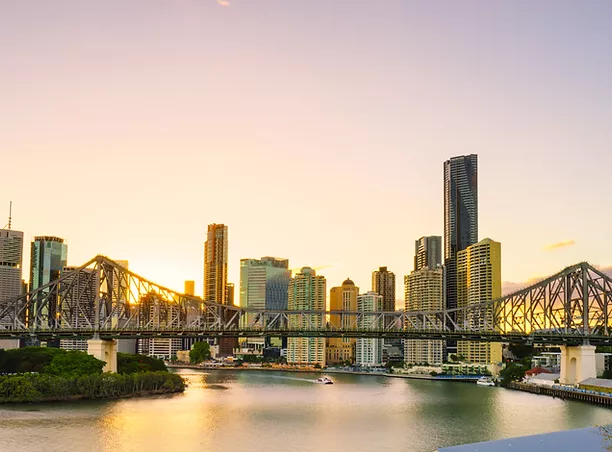
Brisbane
Office
WeWork c/o S&J Media Group,
310 Edward St,Brisbane City QLD 4000
Ph: 07 3217 2233
info@sjmediagroup.com.au