
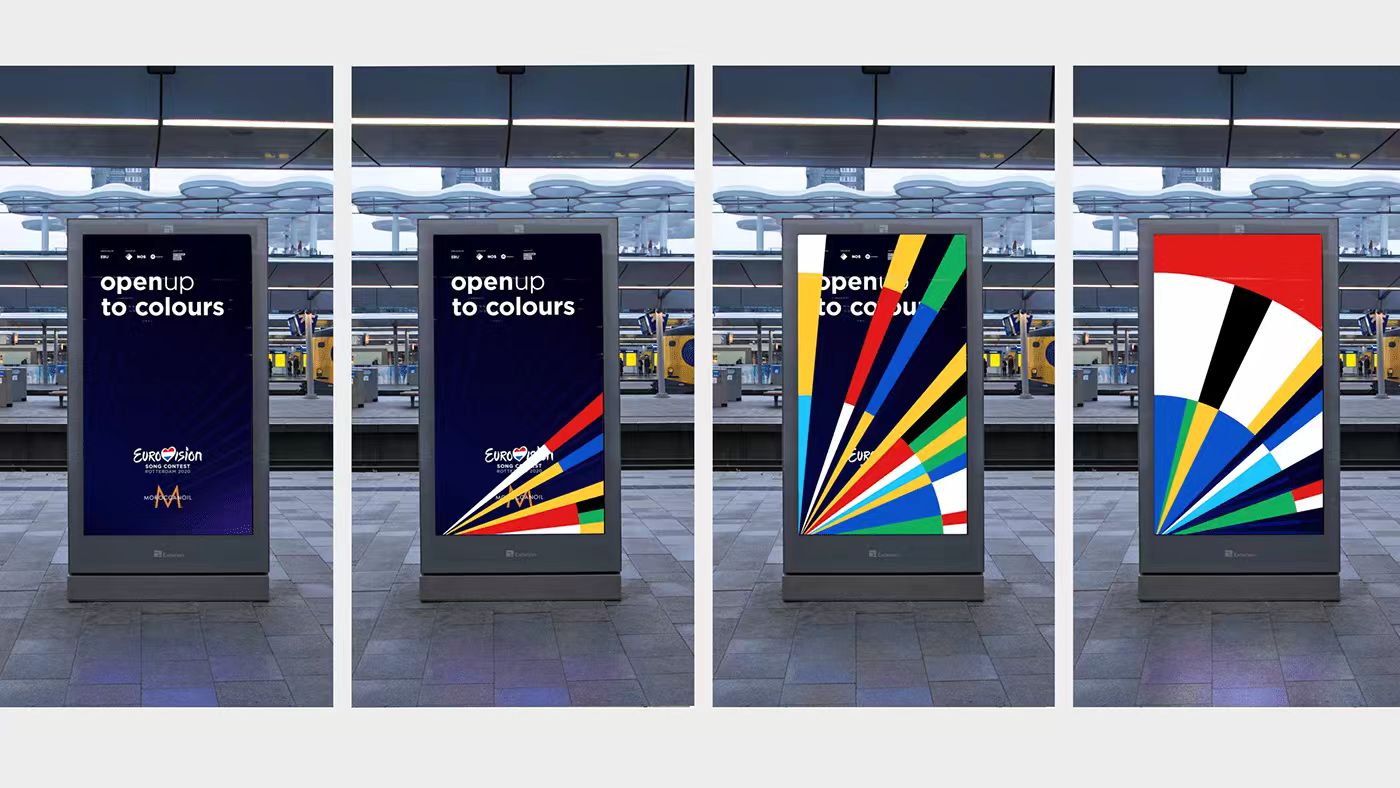
The future of advertising is changing rapidly. New technology, evolving consumer behaviour, digital media and increasingly diverse audiences are transforming the way brands communicate with customers.
Advertising is no longer simply about placing a message in front of as many people as possible. Modern advertising is about reaching the right audience, in the right environment, with the right message and at the right time.
For Australian businesses, this means combining creativity with data, technology, cultural understanding and strategic media planning.
From artificial intelligence and digital advertising to Out of Home advertising, multicultural media and personalised campaigns, the future of advertising will be more connected, measurable and audience-focused.
What Is the Future of Advertising?
The future of advertising refers to the emerging technologies, media channels, consumer behaviours and marketing strategies that are shaping how businesses reach their audiences.
Traditional advertising is not disappearing. Instead, traditional and digital media are increasingly working together.
Television, radio, print, outdoor advertising and public transport advertising can now be combined with digital campaigns, social media, video, search, programmatic advertising and data-driven targeting.
This creates a more connected advertising ecosystem where brands can communicate with customers across multiple touchpoints.
In Australia, this shift is already visible across the advertising industry. Out of Home advertising continues to develop through digital screens, better audience measurement and programmatic buying, while digital video, social media and AI are becoming increasingly important to advertisers.
Key Advertising Trends Shaping the Future
Understanding emerging advertising trends in Australia can help businesses make better decisions about where and how they invest their marketing budgets.
1. Artificial Intelligence in Advertising
Artificial intelligence is becoming one of the most important technologies shaping the future of advertising.
AI can help businesses analyse customer behaviour, identify audience patterns, develop creative concepts and improve campaign optimisation.
Instead of relying entirely on manual campaign adjustments, advertisers can increasingly use technology to analyse large amounts of information and make faster decisions.
However, AI does not replace the need for human creativity.
The strongest future advertising strategies will combine AI-powered insights with human storytelling, creative thinking and a genuine understanding of the target audience.
2. More Personalised Advertising
Consumers are exposed to thousands of marketing messages, making relevance increasingly important.
The future of advertising will therefore move further towards personalised experiences.
Rather than delivering exactly the same advertisement to everyone, brands can adapt their messaging based on factors such as:
- Location
- Interests
- Search behaviour
- Media consumption
- Demographics
- Previous interactions
- Customer needs
Personalisation can make advertising more useful and relevant while helping brands create stronger connections with their audiences.
3. The Growth of Digital Out of Home Advertising
Digital Out of Home advertising is another important part of the future of advertising.
Digital screens allow brands to deliver dynamic creative content in high-traffic public environments. Campaigns can be updated more quickly and can support more flexible media strategies than traditional static formats.
In Australia, digital Out of Home advertising has become a significant part of the OOH market. Industry figures for Q1 2026 showed DOOH accounting for 76.7% of OOH net media revenue year-to-date.
This creates new opportunities for advertisers to combine the physical visibility of outdoor media with the flexibility and data capabilities associated with digital advertising.
For brands targeting commuters, shoppers, workers and city audiences, this makes Out of Home advertising Australia an increasingly valuable part of an integrated media strategy.
4. Data-Driven Advertising
The future of advertising will also be increasingly data-driven.
Businesses want to know not only how many people saw an advertisement, but also how audiences interacted with the campaign and whether it contributed to business outcomes.
Modern advertising strategies can use data to understand:
- Who is seeing the campaign
- Where audiences are located
- When audiences are most engaged
- Which creative messages perform best
- How different media channels work together
- How campaign performance changes over time
Better measurement allows businesses to make more informed decisions about media investment.
The Australian advertising industry is also moving towards stronger audience measurement and reporting standards, particularly across digital and Out of Home media.
5. Multicultural Advertising Will Become More Important
Technology may be transforming advertising, but understanding people remains at the centre of successful marketing.
Australia is one of the world’s highly multicultural markets, and culturally diverse audiences are an important part of the country’s consumer landscape.
Google and Kantar research found that people who were born overseas or have at least one foreign-born parent represented 51% of Australia’s population in the research cited. The same research also identified a significant opportunity for brands to improve how they communicate with culturally and linguistically diverse consumers.
This means the future of advertising in Australia cannot rely on a one-size-fits-all approach.
Brands increasingly need to consider:
- Language preferences
- Cultural values
- Community behaviour
- Media consumption habits
- Cultural events
- Local community connections
- Authentic representation
Multicultural advertising is therefore becoming an important part of modern Australian marketing.
6. Authenticity Will Matter More Than Ever
Consumers are becoming more aware of advertising techniques.
Simply including different people in an advertisement is not enough to create meaningful representation.
The future of advertising will place greater importance on authenticity.
Brands need to understand the communities they are communicating with and create messages that feel natural rather than forced.
For multicultural campaigns, this may involve working with community media, local creators, cultural organisations or multilingual advertising channels.
Authentic communication can help brands build trust and create longer-lasting relationships with customers.
7. Advertising Will Become More Integrated
The future will not belong to one advertising channel.
Instead, successful brands will increasingly connect multiple channels into one customer journey.
For example, a campaign could combine:
Public Transport Advertising → Digital Advertising → Social Media → Website → Retargeting
A customer may first see a brand on a train or bus, later encounter the same campaign online and eventually visit the company’s website.
Each channel can perform a different role.
Outdoor advertising can create awareness and visibility. Digital advertising can support targeting. Social media can encourage engagement. A website can provide detailed information and convert interest into enquiries or sales.
This integrated approach makes advertising more powerful than relying on a single media channel.
8. Video and Streaming Advertising Will Continue to Grow
Consumer attention is increasingly fragmented across television, streaming services, social media, websites and mobile devices.
This is creating new opportunities for video advertising.
Short-form video, connected TV, streaming platforms and social video allow brands to tell stories in engaging formats while reaching specific audience groups.
The Australian advertising market is also experiencing continued growth in digital video and streaming, reflecting changing media consumption habits.
For advertisers, this means creative content needs to work across multiple screens and environments.
9. Creativity Will Remain at the Centre
Technology may change how advertising is delivered, but creativity remains essential.
An advertisement can have sophisticated targeting and detailed data, but if the creative idea does not capture attention, the campaign may struggle.
The future of advertising will therefore combine:
Technology + Data + Creativity + Audience Understanding
Creative ideas need to work in the environments where people encounter them.
For example, an outdoor advertisement may only have a few seconds to attract attention, while a digital video advertisement may have more time to tell a story.
Successful advertisers understand these differences and adapt creative content to each medium.
10. Privacy, Trust and Responsible Advertising
As advertising becomes more data-driven, consumers are also becoming more conscious of privacy and how their information is used.
Trust will become an increasingly important part of advertising strategy.
Businesses need to consider not only whether they can target an audience, but whether the way they communicate creates a positive customer experience.
Responsible advertising should be:
- Transparent
- Relevant
- Respectful
- Culturally appropriate
- Clearly communicated
- Aligned with community expectations
Recent Australian research found that 88% of Australians believe advertising should reflect community standards and values, while only 37% said the advertising they encounter currently meets those expectations.
This highlights an important lesson for the future: effective advertising is not simply about reaching people. It is about earning their attention and trust.
The Future of Advertising in Australia
Australia’s advertising landscape will continue to evolve as technology, consumer behaviour and media consumption change.
For businesses, the challenge is not simply choosing between traditional advertising and digital advertising.
The real opportunity is to build a connected media strategy that uses different channels for different purposes.
A modern Australian advertising campaign may combine:
- Digital advertising
- Social media
- Search marketing
- Video advertising
- Out of Home advertising
- Public transport advertising
- Multicultural media
- Community media
- Data-driven targeting
- AI-powered optimisation
The most effective strategy depends on the target audience, campaign objectives, location and budget.
Why Businesses Need to Adapt to the Future of Advertising
Consumer attention is becoming increasingly fragmented.
People move between physical environments, mobile devices, social platforms, streaming services, websites and search engines throughout the day.
This makes traditional mass advertising less effective when used without a clear strategy.
Businesses that understand emerging advertising trends can identify new opportunities to reach their customers.
They can also create campaigns that are more relevant, measurable and adaptable.
The future is not about abandoning traditional media.
It is about using every relevant channel more intelligently.
Building a Future-Focused Advertising Strategy
A successful future advertising strategy should start with the audience rather than the media channel.
Before launching a campaign, businesses should consider:
Who are you trying to reach?
Understand your customers, their location, interests, language, lifestyle and media habits.
Where do they spend their time?
Identify the physical and digital environments where your target audience is most likely to encounter advertising.
What message will resonate?
Develop creative content that is relevant, memorable and appropriate for the audience.
Which channels should work together?
Rather than selecting one channel in isolation, consider how different advertising formats can support one another.
How will success be measured?
Set clear objectives and use appropriate metrics to evaluate campaign performance.
This audience-first approach can help businesses build advertising campaigns that are better prepared for the future.
What Does the Future of Advertising Mean for Australian Brands?
The future of advertising is more connected, more personalised and more measurable.
Artificial intelligence will continue to influence campaign planning and optimisation. Digital platforms will create new opportunities for targeting. Out of Home media will become increasingly digital and data-driven. Video and streaming will continue to expand. At the same time, cultural understanding and authentic communication will remain critical.
For Australian brands, the biggest opportunity is to combine these developments rather than treating them as separate trends.
A strong advertising strategy can bring together technology, creativity, data and cultural insight to reach people in meaningful ways.
Conclusion: The Future Belongs to Smarter Advertising
The future of advertising is not about choosing between traditional and digital media.
It is about creating smarter connections between brands and audiences.
Businesses that understand consumer behaviour, embrace new technology, invest in creative ideas and communicate authentically will be better positioned to compete in Australia’s changing advertising landscape.
From digital advertising and AI to Out of Home advertising, public transport advertising and multicultural media, the future provides more ways than ever for brands to connect with the right audiences.
The brands that succeed will be those that do more than simply advertise.
They will understand their audiences, earn attention and create meaningful connections.
Frequently Asked Questions About the Future of Advertising
What is the future of advertising?
The future of advertising is focused on more personalised, data-driven, technology-enabled and audience-focused marketing. AI, digital media, video, Out of Home advertising and multicultural marketing are all contributing to this evolution.
What are the biggest future advertising trends?
Major trends include artificial intelligence, personalised advertising, digital Out of Home advertising, data-driven marketing, video and streaming, multicultural advertising, programmatic media and integrated campaigns.
How is AI changing the future of advertising?
AI can help advertisers analyse data, identify audience insights, optimise campaigns and support creative development. Human creativity and strategic thinking remain important for producing effective advertising.
Is Out of Home advertising part of the future of advertising?
Yes. Out of Home advertising is evolving through digital screens, improved measurement, data and programmatic buying. This allows brands to combine the broad visibility of outdoor media with more flexible and measurable campaign strategies.
Why is multicultural advertising important in Australia?
Australia has a highly diverse population, making multicultural audiences an important part of the Australian consumer market. Culturally relevant and authentic advertising can help brands build stronger connections with different communities.
Will traditional advertising disappear?
Not necessarily. Traditional media such as outdoor, public transport, radio and television can continue to play an important role. The future is more likely to involve greater integration between traditional and digital advertising channels.
How can businesses prepare for the future of advertising?
Businesses should understand their target audiences, monitor emerging advertising trends, invest in relevant digital and traditional channels, create authentic content and use data to measure and improve campaign performance.
What makes a future-focused advertising strategy successful?
A future-focused strategy combines audience insight, creativity, technology, data and the right media channels. The goal is to create relevant experiences that connect with customers while delivering measurable business results.
GET IN TOUCH WITH OUR TEAM

Melbourne
Head Office
Level 7, 492 St Kilda Road,
Melbourne Vic 3004
Ph: 03 9867 1022
info@sjmediagroup.com.au

Sydney
Office
Level 3, WeWork c/o S&J Media Group,
100 Harris Street,Pyrmont NSW 2009
Ph: 02 8424 6100
info@sjmediagroup.com.au

Brisbane
Office
WeWork c/o S&J Media Group,
310 Edward St,Brisbane City QLD 4000
Ph: 07 3217 2233
info@sjmediagroup.com.au