
Why Public Transport Advertising is Essential for Your Marketing Strategy in 2025
In today’s fast-paced urban environments, millions of people rely on public transport to commute to work, run errands, and explore their cities. This daily routine offers an excellent opportunity for businesses to capture the attention of a large and diverse audience. Public transport advertising is a dynamic and cost-effective way to engage commuters, offering high visibility and broad reach.


What is Public Transport Advertising?
Public transport advertising refers to the placement of ads on various modes of public transportation, including buses, trains, trams, and taxis, as well as in transit stations and terminals. This form of advertising can take many formats, from external wraps and posters to digital screens and interior panels.
Given the sheer number of daily commuters using public transport, advertising in this space ensures that brands reach a large, captive audience. Whether your target demographic is busy professionals, students, or tourists, public transport advertising offers unmatched exposure.
Key Benefits of Public Transport Advertising
1. Wide Reach and Frequency
Public transport systems are essential to city life, making public transport advertising a powerful way to reach a broad and diverse audience. With millions of people relying on buses, trains, and trams each day, advertisers can achieve high frequency by repeatedly reaching the same individuals during their daily commutes. This repetition builds brand recognition and recall, similar to the strategy of train exterior advertising campaigns.
2. Cost-Effective Advertising
Compared to traditional media like TV or print, public transport advertising offers a cost-effective solution that provides high visibility. With multiple ad formats available, businesses can tailor their campaigns to fit any budget, ensuring maximum impact at a fraction of the cost of other mass media advertising. Public transport ads often deliver better ROI due to their relatively lower costs and high exposure rates.
3. Targeted Audience
The ability to target specific geographic areas is one of the standout benefits of public transport advertising. For instance, businesses can select routes that pass through central business districts or residential areas, ensuring their ads are seen by the right audience. This targeted approach is similar to city-wide advertising strategies used in urban campaigns.
4. High Engagement
Commuters spend significant amounts of time on public transport, often without many distractions. This makes them more likely to notice and engage with advertisements in their environment. Studies have shown that people are more likely to remember ads they see on public transport, similar to transit media advertising, which offers repeated exposure to a captive audience.
5. Creative Flexibility
Public transport advertising offers a variety of formats that allow for creative freedom. Whether it’s full bus wraps that turn a vehicle into a moving billboard or eye-catching posters inside a train carriage, this form of advertising lets businesses experiment with bold visuals and compelling messaging that stand out.
Popular Formats for Public Transport Advertising
- Bus Wraps: Full or partial wraps that turn the exterior of a bus into a mobile billboard.
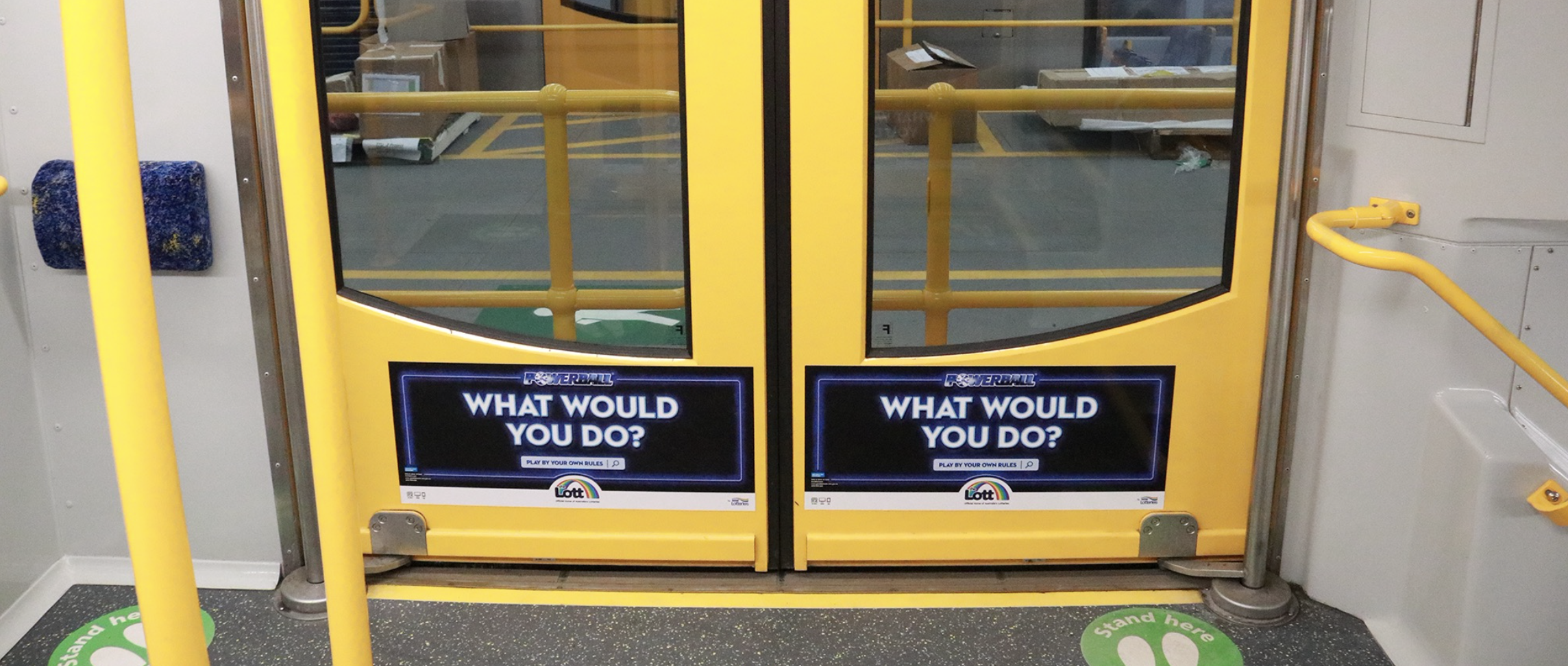
- Train Interior Ads: From seatbacks to ceiling wraps, train interior advertising provides ample opportunities to target commuters with immersive advertising experiences.
- Bus Stop and Station Posters: Highly visible posters and billboards in transit hubs.
- Tram Advertising: In cities with extensive tram networks, trams offer another high-visibility platform to showcase your brand.
Why Public Transport Advertising is So Effective
One of the biggest advantages of public transport advertising is the amount of time people spend interacting with it. Unlike fleeting digital ads or quick radio spots, public transport ads are in place for extended periods, allowing for repeated exposure. This repetition increases brand recognition and makes your message more likely to stick.
Additionally, public transport offers an ideal setting for brands looking to make an emotional connection. Commuters often associate the ads they see during their commute with their daily lives, similar to maximizing exposure with Melbourne train advertising campaigns. This emotional connection can lead to stronger brand loyalty and greater consumer action.
Targeting Commuters with Public Transport Advertising
Tourists and Visitors: Ads placed in transport hubs or on routes that serve popular tourist destinations.
Professionals and Business Travelers: Advertising on train or bus routes that pass through central business districts is a great way to target working professionals.
Students and Young Adults: Universities and campuses are often connected by public transport.

Frequently Asked Questions (FAQ)
Q1: Is public transport advertising cost-effective?
Yes. Compared to TV, print, or radio, public transport ads deliver high visibility at a lower cost, making them one of the most budget-friendly mass media options.
Q2: Who can benefit most from public transport advertising?
Any business looking to reach a wide audience can benefit—from local shops and restaurants to national brands in finance, retail, education, and technology.
Q3: How long should a public transport ad campaign run?
Campaigns typically run from 4 weeks to several months. Longer durations help reinforce brand recall as commuters repeatedly see the same message.
Q4: Can public transport advertising target specific areas or demographics?
Yes. Ads can be placed on routes passing through business districts, residential zones, universities, or tourist destinations to target the right audience.
Q5: What makes public transport ads more effective than digital ads?
Unlike fleeting online ads, public transport ads remain in the commuter’s environment for extended periods, ensuring higher visibility, stronger recall, and deeper engagement.
GET IN TOUCH WITH OUR TEAM

Melbourne
Head Office
Level 7, 492 St Kilda Road,
Melbourne Vic 3004
Ph: 03 9867 1022
info@sjmediagroup.com.au

Sydney
Office
Level 3, WeWork c/o S&J Media Group,
100 Harris Street,Pyrmont NSW 2009
Ph: 02 8424 6100
info@sjmediagroup.com.au

Brisbane
Office
WeWork c/o S&J Media Group,
310 Edward St,Brisbane City QLD 4000
Ph: 07 3217 2233
info@sjmediagroup.com.au