
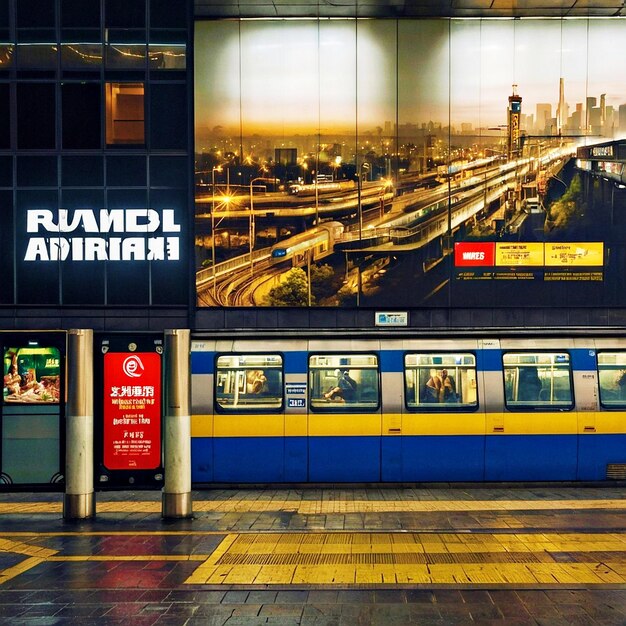
Every day, thousands of Australians travel through busy city streets, train stations and public transport networks. For brands, these daily journeys create valuable opportunities to connect with people in real-world environments.
Transit media advertising allows businesses to place their brand across trains, buses, trams, taxis, stations and other transport environments where audiences are already spending time.
Unlike advertising that depends on someone actively visiting a website or opening an app, transit media becomes part of the journey itself. A campaign can be seen while people are commuting to work, travelling to university, shopping, attending events or moving around the city.
For Australian businesses, transit media advertising can provide a combination of visibility, frequency and geographic reach that complements digital marketing and other Out of Home advertising channels.
What Is Transit Media Advertising?
Transit media advertising is a form of Out of Home advertising that uses public transport vehicles and transport environments to communicate with audiences.
It can include advertising placed:
- On trains
- Inside train carriages
- On buses
- Inside buses
- On trams
- On taxis
- At train stations
- On platforms
- At bus shelters
- Around major transport hubs
The available advertising formats vary between transport networks, but campaigns can range from smaller interior placements to large-scale exterior vehicle branding.
This flexibility allows businesses to select a format based on their campaign objectives, target audience and geographic market.
Why Transit Media Advertising Works
People spend a significant amount of time travelling through public transport environments.
During these journeys, they may encounter the same advertising message multiple times.
A commuter might see a campaign when entering a station, notice it on a platform, encounter it on a train and later see the same brand on another part of their journey.
This repeated exposure can help create familiarity and improve brand recognition.
Transit media advertising also has an important physical advantage: the audience cannot simply scroll past a physical train, bus or station advertisement.
Reaching Audiences During Everyday Journeys
One of the strengths of transit media advertising is that it reaches people as part of their normal routines.
Public transport connects residential areas with:
- Business districts
- CBDs
- Shopping centres
- Universities
- Schools
- Entertainment precincts
- Airports
- Tourist destinations
- Major events
This creates opportunities for brands to reach consumers at different stages of their day.
A campaign does not necessarily need to interrupt the audience’s activity. Instead, it becomes part of the environment they are already experiencing.
Types of Transit Media Advertising
Transit media covers a broad range of formats.
Train Advertising
Train advertising can reach commuters travelling across metropolitan rail networks.
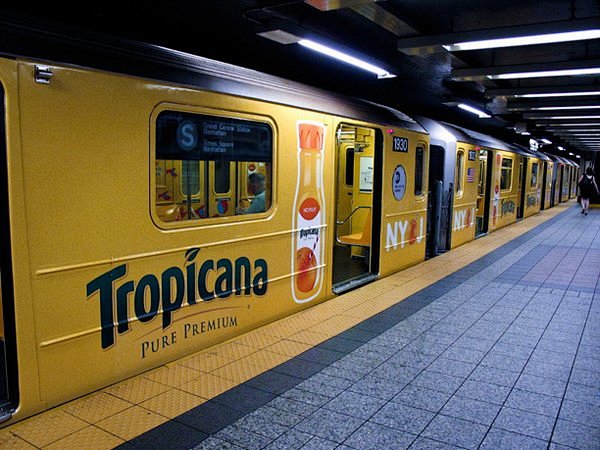
Campaign formats may include interior panels, doors, windows, carriage branding and large exterior advertising formats.
Exterior train campaigns can create particularly strong visual impact because the entire vehicle can become part of the creative.
Bus Advertising
Bus advertising Australia provides brands with opportunities to reach audiences across urban and suburban routes.
Exterior bus advertising can create mobile visibility across roads and shopping areas, while interior advertising allows brands to communicate with passengers during their journey.
Tram Advertising
Trams provide another high-visibility transit advertising opportunity in cities with established tram networks.
A branded tram can travel through central business districts, shopping precincts and residential areas, allowing the campaign to become a visible part of the urban landscape.
Taxi Advertising
Taxi advertising provides mobile exposure across busy metropolitan areas.
Because taxis travel between different locations throughout the day, they can provide additional visibility for brands targeting urban audiences.
Station Advertising
Transit media is not limited to vehicles.
Train stations and transport hubs can provide valuable advertising environments where audiences may have additional dwell time.
Formats can include:
- Station posters
- Digital screens
- Platform advertising
- Large-format displays
- Entrance branding
- Transit shelter advertising
These placements can work particularly well when a campaign requires more time for the audience to read or interact with the message.
Transit Media Advertising in Australia
Australia’s major cities provide significant opportunities for transit media campaigns.
Sydney, Melbourne and South East Queensland have extensive public transport networks connecting residential suburbs with major employment, shopping, education and entertainment areas.
S&J Media Group provides transit media solutions across major Australian markets, including train and other public transport environments.
For businesses, this creates opportunities to develop campaigns around specific locations, commuter groups and transport networks.
The most appropriate media format will depend on the campaign objective, audience and available inventory.
Transit Media Advertising in Sydney
Sydney has one of Australia’s largest public transport networks and provides substantial opportunities for brands seeking commuter exposure.
Train, bus and station advertising can help businesses reach people travelling through the Sydney metropolitan area.
Campaigns can be designed around specific transport environments or broader network coverage depending on the desired audience.
For brands targeting Sydney professionals, students, shoppers or local communities, transit media can form an effective awareness layer within a broader advertising strategy.
Transit Media Advertising in Melbourne
Melbourne’s extensive train, tram and bus networks provide multiple opportunities for transit campaigns.
The city’s tram network is particularly distinctive, allowing advertisers to place large-scale branding directly into busy streets and urban precincts.
Train and station advertising can complement tram campaigns by extending visibility across the wider commuter journey.
This makes Melbourne an important market for brands looking to build awareness through physical media.
Transit Media Advertising in Queensland
South East Queensland also provides opportunities for transport-based campaigns.
Public transport connects Brisbane with surrounding areas and major destinations across the region.
For businesses operating across Brisbane and wider Queensland markets, transit media advertising can help build awareness among commuters travelling through key transport corridors.
Key Benefits of Transit Media Advertising
High Visibility
Large-format transit advertising can stand out in busy urban environments.
A branded train, bus or tram can become a highly visible part of the streetscape.
Repeated Exposure
Regular commuters often travel similar routes each day, creating opportunities for repeated exposure to the same campaign.
Geographic Reach
Campaigns can be planned around selected routes, stations, suburbs or metropolitan markets.
Large Creative Formats
Vehicles and stations can provide significant physical advertising space, giving brands room to create memorable visual campaigns.
Broad Audience Exposure
Transit campaigns can reach commuters as well as pedestrians, motorists, shoppers and people living or working near transport routes.
Strong Brand Recognition
Consistent exposure to a recognisable brand can help improve familiarity and reinforce brand awareness.
Transit Media Advertising vs Digital Advertising
Digital advertising and transit media advertising serve different purposes.
Digital advertising can provide detailed targeting, rapid optimisation and direct online conversion.
Transit media provides physical visibility and repeated exposure within real-world environments.
Rather than choosing one over the other, businesses can use both.
For example:
Transit Media → Brand Awareness → Online Search → Website → Conversion
A person may first discover a brand through a transit campaign and later search for that business online.
This makes transit media particularly useful as part of an integrated marketing strategy.
Combining Transit Media With Digital Marketing
The strongest campaigns often connect physical and digital media.
A transit advertisement can encourage audiences to continue the interaction online through:
- QR codes
- Website URLs
- Social media
- Campaign landing pages
- Promotional offers
- Digital competitions
- Product pages
For example, a retail brand could launch a new product using train advertising while supporting the campaign with Google Ads, social media and online content.
The transit campaign creates physical awareness, while digital channels provide additional information and conversion opportunities.
Creating Effective Transit Advertising Creative
A successful transit campaign needs to communicate quickly.
People may only have a few seconds to notice an advertisement as a train or bus passes.
Keep the Message Simple
Avoid trying to communicate too much information.
A strong campaign can often be built around:
Brand + Visual + Message + Call to Action
Use Strong Branding
The brand should be easy to recognise from a distance.
Large logos, distinctive brand elements and consistent visual identity can improve recognition.
Choose One Strong Idea
A simple creative concept is often easier to remember than a design containing multiple competing messages.
Use Large Typography
Small text can become difficult to read when an advertisement is viewed from a distance or while a vehicle is moving.
Design for Movement
Exterior transit advertisements need to work while the vehicle is travelling.
Creative should remain visually clear when seen from different angles and distances.
Transit Media Advertising for Different Industries
Transit media can be adapted to a wide range of businesses.
Retail
Retailers can promote new products, seasonal offers, store openings and major campaigns.
Education
Universities and education providers can reach students and young professionals through commuter networks.
Tourism
Tourism brands can use large visual campaigns to showcase destinations and experiences.
Entertainment
Movies, concerts, exhibitions and events can use transit advertising to build awareness before launch dates.
Technology
Technology companies can use large-scale creative to introduce products and services.
Finance
Banks, insurers and financial services companies can use transit campaigns to strengthen brand recognition.
Property
Property developers and real estate businesses can target selected metropolitan areas and commuter audiences.
Healthcare
Healthcare organisations can use transit advertising to build awareness of services and facilities within local communities.
Transit Media Advertising and Multicultural Audiences
Australia’s major cities are culturally diverse.
This creates opportunities for brands to combine transit advertising with multicultural media strategies.
For example, a business targeting Chinese-speaking consumers could combine transit advertising with Chinese-language digital media, community publications and social media campaigns.
The transit component creates broad physical visibility, while multicultural media can provide more targeted communication.
This combination can be particularly useful for businesses seeking to reach culturally diverse audiences across Australian cities.
How to Plan a Transit Media Advertising Campaign
A successful campaign should begin with the audience rather than the advertising format.
Step 1: Define the Campaign Objective
Decide whether the campaign is designed to generate:
- Brand awareness
- Product awareness
- Website traffic
- Event attendance
- Store visits
- Leads
- Sales
Step 2: Identify the Target Audience
Consider the audience’s location, lifestyle, age group, commuting habits and media behaviour.
Step 3: Select the Right Transport Environment
Choose trains, buses, trams, taxis, stations or a combination based on where the target audience travels.
Step 4: Develop the Creative
Create a clear visual message that can be understood quickly.
Step 5: Connect With Digital Channels
Use a dedicated landing page, QR code or online campaign where appropriate.
Step 6: Measure the Results
Track campaign performance using website analytics, branded searches, QR scans, enquiries and other relevant metrics.
How to Measure Transit Media Advertising
Transit media is primarily an awareness medium, but advertisers can still measure campaign impact.
Useful metrics include:
Website Traffic
Monitor changes in website visits during the campaign.
Branded Search
Track searches for the business or campaign name.
QR Code Scans
Use a campaign-specific QR code to measure direct engagement.
Social Media Activity
Monitor increases in brand mentions, followers and engagement.
Leads and Enquiries
Compare enquiries before, during and after the campaign.
Brand Awareness
Customer surveys and market research can help assess changes in brand recognition.
Using several measurement methods provides a more complete picture of campaign performance.
Why Repetition Matters in Transit Media
A single advertisement may create awareness, but repeated exposure can help reinforce the message.
Commuters often follow predictable routines.
They may use the same station, train line, bus route or tram corridor several times each week.
This means transit media can naturally create frequency without requiring the audience to actively seek out the advertisement.
A consistent campaign can gradually build familiarity with the brand.
Making Transit Media Advertising Memorable
The most memorable transit campaigns usually have one clear creative idea.
Instead of filling every available space with text, advertisers can use:
- Bold imagery
- Clever concepts
- Strong brand identity
- Humour
- Short slogans
- Unexpected visuals
- Distinctive design
- Creative use of vehicle shapes
The objective is not to tell the audience everything.
It is to make the audience remember the brand.
Transit Media as Part of an Out of Home Strategy
Transit media advertising is one component of the wider Out of Home advertising industry.
A broader campaign might combine:
Transit Media + Billboards + Digital Out of Home + Retail Media + Digital Advertising
Each channel can perform a different role.
Transit media can reach commuters.
Billboards can provide large-scale roadside visibility.
Digital Out of Home can deliver dynamic creative.
Digital advertising can support targeting and conversion.
Together, these channels can create a more connected customer journey.
The Future of Transit Media Advertising
The future of transit media is becoming increasingly connected with technology and data.
Digital screens, improved audience measurement and integration with online campaigns are creating new possibilities for advertisers.
At the same time, the basic strength of transit media remains unchanged.
People continue to move through cities every day.
Trains, buses, trams and stations provide physical environments where brands can become part of those journeys.
As consumers become increasingly surrounded by digital content, real-world advertising can provide a valuable way to capture attention outside the screen.
Why Australian Brands Should Consider Transit Media Advertising
For businesses seeking broad visibility across Australian cities, transit media provides several advantages.
It can offer:
- High-frequency commuter exposure
- Geographic flexibility
- Large creative formats
- Mobile brand visibility
- Multiple advertising environments
- Integration with digital marketing
- Opportunities for multicultural campaigns
The right approach depends on the audience and campaign objective.
A local business may benefit from a targeted transport campaign, while a national brand may use broader network coverage to build awareness.
Conclusion
Transit media advertising gives brands the opportunity to connect with audiences during everyday journeys.
From trains and buses to trams, taxis and stations, transit environments provide multiple opportunities to build awareness and strengthen brand recognition.
The most effective campaigns combine strategic media placement with creative ideas that are simple, distinctive and easy to remember.
When transit media is integrated with digital advertising, multicultural media and other Out of Home channels, it can become a valuable part of a broader marketing strategy.
For Australian businesses looking to put their brand in front of people as they move through the city, transit media advertising offers a highly visible way to turn everyday journeys into brand experiences.
Frequently Asked Questions About Transit Media Advertising
What is transit media advertising?
Transit media advertising is a type of Out of Home advertising that uses public transport vehicles and transport environments to promote brands, products, services or campaigns.
What types of transit media advertising are available?
Transit media can include train advertising, bus advertising, tram advertising, taxi advertising, station advertising, platform displays, shelter advertising and other transport-based media formats.
Is transit media advertising effective?
Transit media can be effective for building brand awareness because it can provide repeated exposure to commuters and other audiences travelling through busy urban environments.
Who can use transit media advertising?
Businesses of many sizes and industries can use transit media, including retail, education, tourism, finance, technology, property, entertainment and healthcare.
Can transit media advertising target specific areas?
Yes. Campaigns can be planned around particular transport networks, routes, stations and geographic markets, subject to available media formats and inventory.
What is the difference between transit media and public transport advertising?
The terms are often used interchangeably. Transit media generally refers to advertising across transport vehicles and related environments, while public transport advertising focuses specifically on public transport systems.
Can transit media advertising be combined with digital advertising?
Yes. Combining transit media with search, social media, display advertising and dedicated landing pages can create a connected online and offline campaign.
Can transit advertising reach multicultural audiences?
Yes. Transit campaigns can be combined with multicultural and multilingual media to reach diverse communities across Australian cities.
How can a transit media campaign be measured?
Advertisers can monitor website traffic, branded searches, QR code scans, social engagement, enquiries and other campaign-specific indicators to assess performance.
Where is transit media advertising available in Australia?
Transit media opportunities are available across major Australian metropolitan markets, including Sydney, Melbourne and South East Queensland. Specific formats and placements depend on the transport network and available inventory.

GET IN TOUCH WITH OUR TEAM

Melbourne
Head Office
Level 7, 492 St Kilda Road,
Melbourne Vic 3004
Ph: 03 9867 1022
info@sjmediagroup.com.au

Sydney
Office
Level 3, WeWork c/o S&J Media Group,
100 Harris Street,Pyrmont NSW 2009
Ph: 02 8424 6100
info@sjmediagroup.com.au
Brisbane
Office
WeWork c/o S&J Media Group,
310 Edward St,Brisbane City QLD 4000
Ph: 07 3217 2233
info@sjmediagroup.com.au